










Home > Courses > Embedded System Design

Embedded C

Accelerate your Career

Learn Embedded C programming for microcontrollers. Master hardware interfacing, real-time applications, and embedded system development in 90 days.

Buy this Course @
₹1,499
13 Modules
with Certifications
15:00 Hours
of Recorded Content
0 Ratings
by 0 Learners
English
Language
Paid Course
Get this Course @ ₹1,499
1500 enrolled in this course

Embedded C Course
Overview

Embedded C is a specialized course designed for learners who want to develop efficient and reliable programs for microcontrollers and embedded systems. Embedded C extends the standard C language with features tailored for hardware programming, making it the industry-standard language for embedded development.


The course begins with an introduction to C programming fundamentals, focusing on data types, control structures, and functions. Learners will then explore how Embedded C differs from traditional C, including direct hardware access, memory management, and bit-level operations. Through practical labs, participants will gain hands-on experience in writing programs for microcontrollers such as ARM, PIC, and AVR.


Key topics covered include:


  • Introduction to Embedded C and microcontroller basics
  •  

  • Data types, operators, and control structures
  •  

  • Memory management and register-level programming
  •  

  • Interfacing peripherals: GPIO, timers, ADC, DAC
  •  

  • Communication protocols: UART, SPI, I2C
  •  

  • Interrupt handling and real-time applications
  •  

  • Practical projects: sensor interfacing, motor control, and embedded communication


Hands-on projects will guide learners through building real-world applications such as LED controllers, sensor-based monitoring systems, and communication-enabled devices. By simulating industry workflows, participants will gain confidence in designing and deploying embedded solutions using C.


By the end of this course, learners will be able to:


  • Write efficient Embedded C programs for microcontrollers
  •  

  • Interface sensors and actuators with hardware
  •  

  • Implement communication protocols for device integration
  •  

  • Design real-time embedded applications


This course is ideal for electronics engineers, embedded developers, and students preparing for careers in embedded systems and IoT. With structured lessons, practical labs, and expert guidance, you will be equipped to design robust embedded solutions using Embedded C.


Embedded C Programming Course


Key Features

Mentorship

Receive guidance and insights from industry experts

Hands-on Experience

Gain practical skills in a real-world cutting-edge projects.

Networking

Connect with professionals and peers in your field

Skill Development

Enhance your technical and soft skills

Career Advancement

Boost your resume with valuable experience

Dual Certificate

Get a certification to showcase your achievements

We are Accredited by

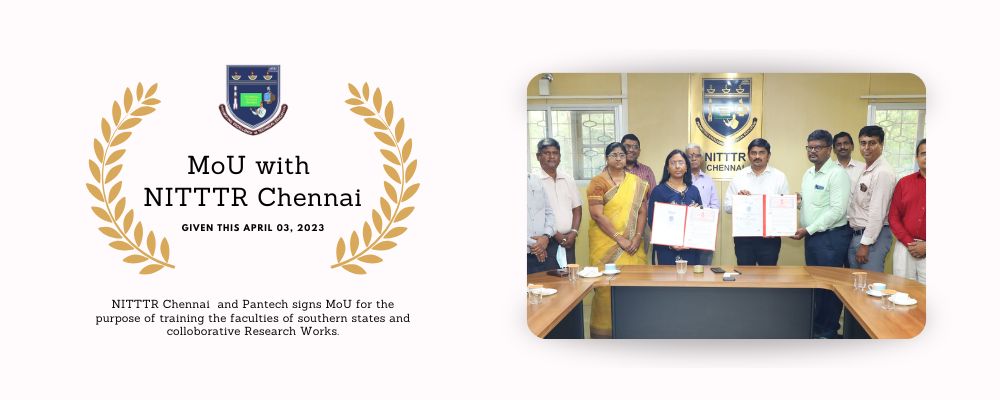
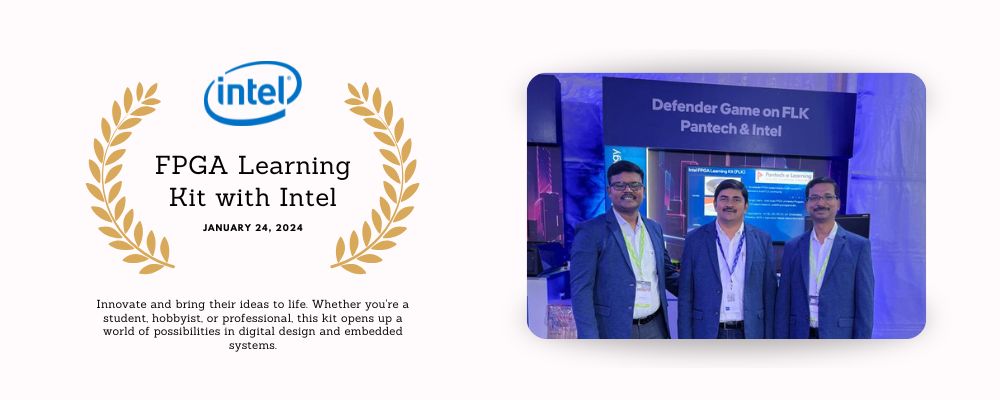
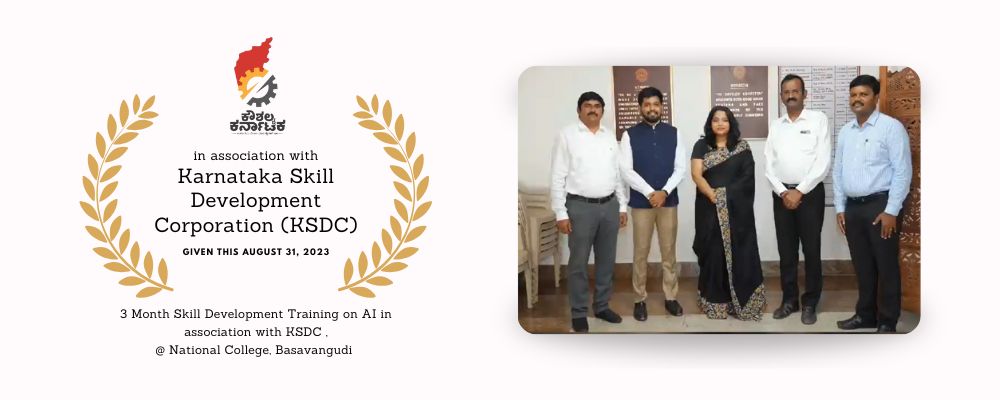
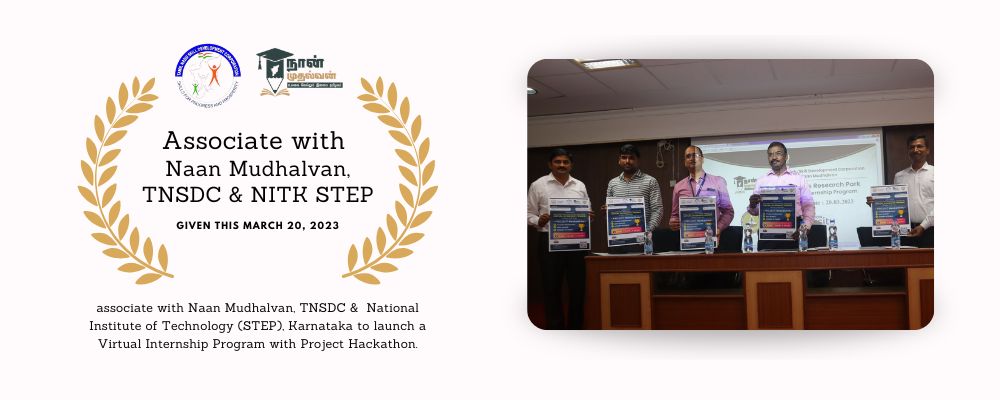
Our Awards & Achievements
Award 1

Embedded C Course Roadmap

01
Module 1

Module 1 — Introduction

Embedded C Overview
02
Module 2

Module 2 Part I — Basics

Data Types and Variables
03
Module 3

Module 2 Part II — Memory

Address of Variables and Storage Classes
04
Module 4

Module 2 Part III — Functions

Function and Type Casting
05
Module 5

Module 3 — Build Process

Build Process and Analyzing Embedded C Code
06
Module 6

Module 4 — Pointers

Pointers
07
Module 7

Module 5 Session 1 — Operators

Operators in C
08
Module 8

Module 5 Session 2 — Conditionals

Conditional Statements
09
Module 9

Module 5 Session 3 — Bitwise

Bitwise Operators
10
Module 10

Module 7 Part I — IO Optimization

IO Pin Read Optimization
11
Module 11

Module 7 Part II — Volatile

Volatile Type Qualifier
12
Module 12

Module 8 Part I — Structures

Structures
13
Module 13

Module 8 Part II — Union

Union

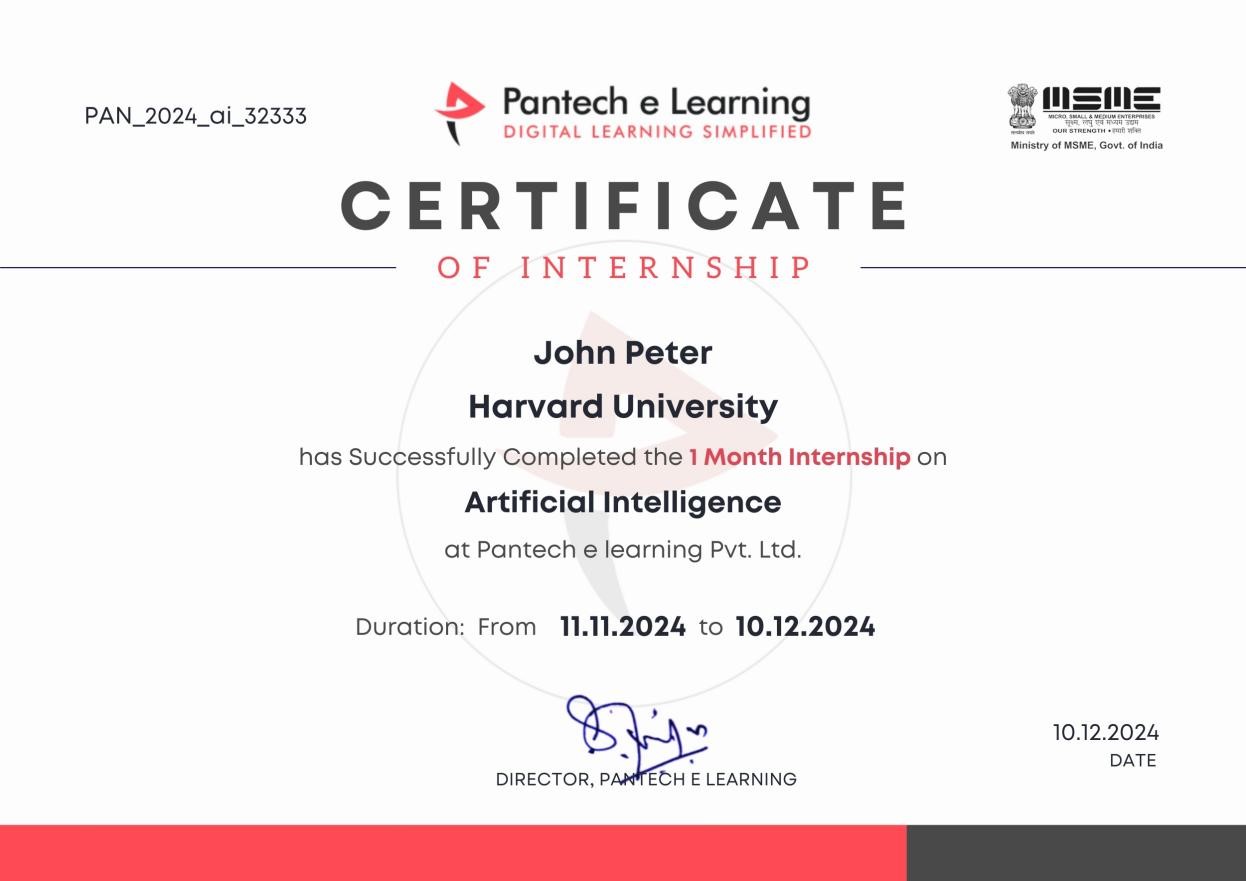
Let Your Certificates Speak

Certificate Preview
Shareable on LinkedIn
  • Certificates are globally recognized & they upgrade your programming profile.
  • Certificates are generated after the completion of course.

After this Course, You will be Able to

  • Grasp FPGA architecture and microcontroller workings for advanced understanding
  • Build circuits, ranging from basic LEDs to intricate, sensor-driven projects
  • Master the HDL IDE, enabling proficient coding for real-world applications
  • Utilize breadboards and electronic components with precision for efficient circuitry
  • Create groundbreaking solutions by integrating sensors and motors innovatively

  • Explore diverse projects, from basic LEDs to complex motion-activated systems

Where Our Students Work

Our alumni are driving innovation at the world's most prestigious technology companies.

Flipkart
Freshworks
Juspay
Chargebee
Zoho
PayPal

All You Need to Start this Course

💻
A computer with internet connection
🧠
Willingness to learn new concepts

This is the Course for You, If You are

🎓
Students looking to upskill
💼
Working Professionals
🚀
Career changers seeking a pivot

Learners Reviews

"
User
Aditi Sharma
The step by step approach from basics to real time FPGA projects made the concepts crystal clear. I especially loved the UART implementation—it gave me confidence to handle hardware communication protocols.
"
User
Rahul
This course bridges the gap between theory and practice. Programming the MAX10 FPGA board and controlling GPIOs gave me the kind of exposure that’s directly useful for internships and entry level roles in VLSI design.
"
User
Priya Nair
I came in with only basic digital electronics knowledge. The way Verilog was introduced and gradually applied to sequential circuits and FSMs was perfect. By the end, I could write and test my own HDL codes on Quartus.

Still Having Doubts?

Test1234

Test

1. Do I need prior experience?

No prior experience is required for foundational courses. Advanced modules may recommend basic knowledge in programming or electronics.

2. What if I face technical issues?

You can reach our support team at training@pantechelearning.com or call +91 89255 334 88 / +91 89255 334 89.

3. What will I learn in this course?

You’ll cover Embedded C programming for microcontrollers, including hardware interfacing, memory management, real‑time applications, and embedded system development. You’ll also gain hands‑on experience with peripherals, interrupts, and communication protocols (UART, SPI, I2C).

4. How long is the course?

The program includes 13 structured modules, designed to be completed within 90 days with guided project work.

5. Will I get a certificate?

Yes, upon completion you’ll receive a verified certification from Pantech eLearning, which can be shared on LinkedIn and with employers.

6. What is the course fee?

The Embedded C course is available for ₹1,499, inclusive of all modules and certification.

7. Is there any project work included?

Yes, you’ll apply your skills in guided embedded projects, such as sensor‑based systems, motor control, and real‑time applications for microcontrollers.

8. Can I access the course materials anytime?

Absolutely. Once enrolled, you’ll have lifetime access to the course videos, notes, and resources.

Pantech AI Assistant
Hi Welcome to Pantech. How can I help you today?