
Master Your Domain
200+ programs across 6 cutting-edge technology domains
badge By Role
- AI Engineer
- Data Scientist
- Full Stack Developer
- VLSI Engineer
- EV Design Engineer
- Edge AI Specialist
- Embedded Firmware
- MLOps Architect
category By Domain
- psychology AI & Machine Learning
- analytics Data Science & Analytics
- code Software & Web Development
- memory Embedded Systems & IoT
- developer_board VLSI Design
- electric_car EV & Autonomous
workspace_premium By Skill
All Skills arrow_forwardIndustrial Internships 2026
80% practical · 8+ projects · Pantech × SVNIT dual cert
Hardware Lab Kits
200+ industry-grade lab kits
DIY Kits & Hardware Projects
Build, learn, and ship real projects with curated hardware kits
library_books Resources
Renewable Energy Systems for EV Applications
Learn how renewable energy systems integrate with electric vehicles (EVs). Explore solar, wind, and smart grid solutions for sustainable mobility.
Renewable Energy Systems for EV Applications
Comprehensive Syllabus Outline
A comprehensive curriculum designed to take you from beginner to professional.
Capstone Project
Integrated Renewable Energy Design Challenge
Synthesize your learning by building a complete, simulated renewable energy ecosystem designed specifically for EV charging applications.
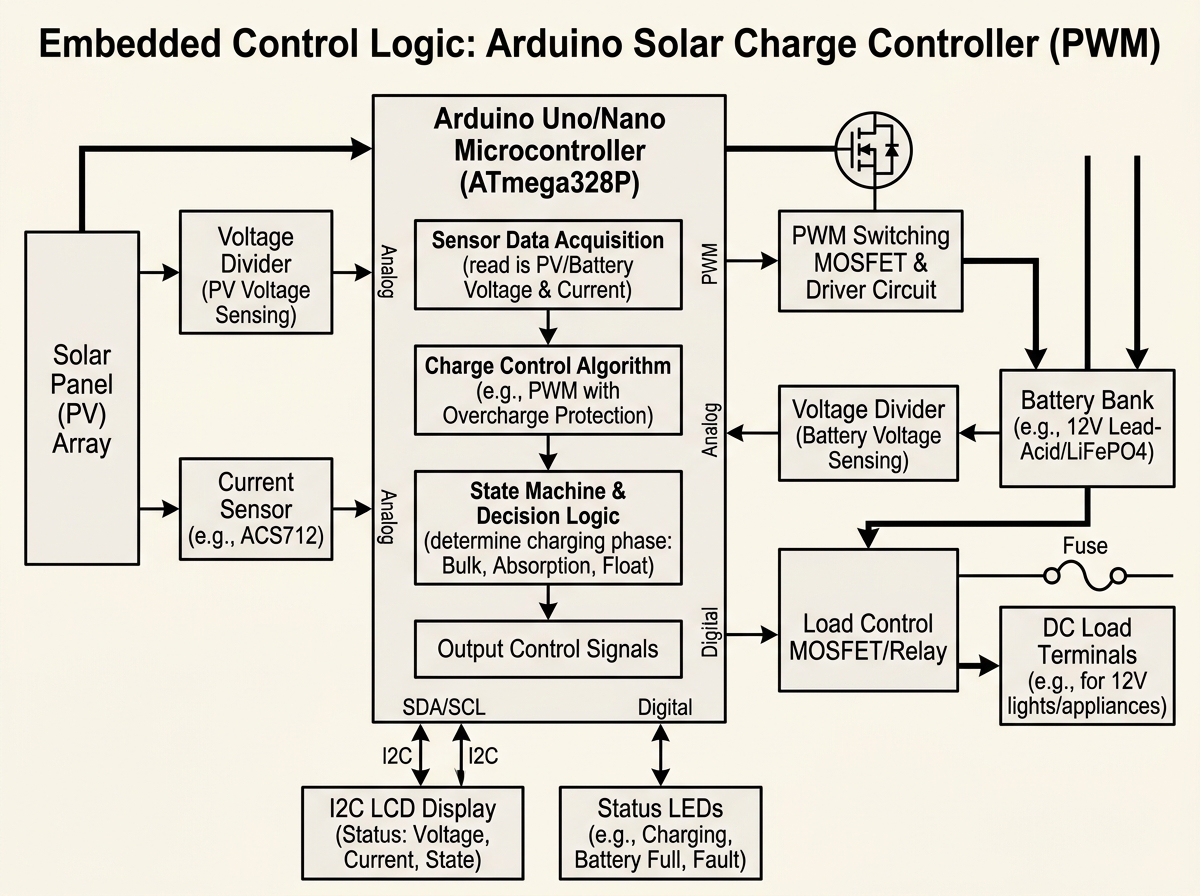
Tech Stack
Master the primary professional software development packages and workflow tools.
After this Course, You will be Able to
Observe the real-world utility outcomes you gain after program completion.
Course Stats
₹11.4 LPA
Average Salary₹40 LPA
Highest Salary125%
Salary Hike5,300+
Job VacanciesKey Features
Mentorship
Receive guidance and insights from industry expertsHands-on Experience
Gain practical skills in a real-world cutting-edge projects.Networking
Connect with professionals and peers in your fieldSkill Development
Enhance your technical and soft skillsCareer Advancement
Boost your resume with valuable experienceDual Certificate
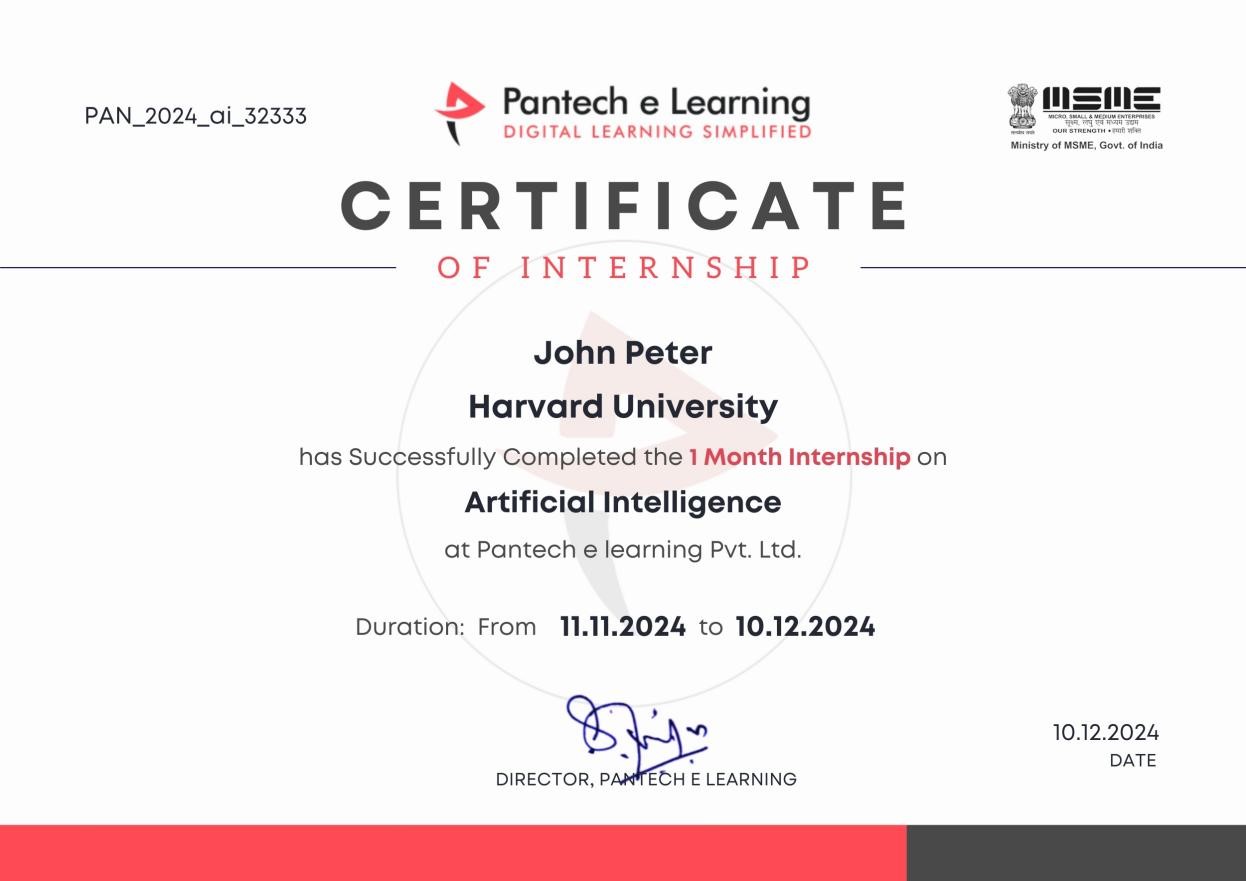
Get a certification to showcase your achievementsLet Your Certificates Speak For You
Our certification formally validates your skill set in recruiter searches with unique QR code verification and LinkedIn-ready structures.
Unique Credential ID & QR Code
Recruiters can scan to instantly verify your project files, source repository, and official completion marks.
Linkedin Certified Recognition
Easily push to your Linkedin profile with 1-click credential linking to increase high-end corporate recruiter views.
Where Our Learners Work
Our alumni are driving innovation at the world's most prestigious technology companies.












Why Pantech?
An expert-crafted learning infrastructure built for technical fluency.
Industrial Expert Mentors
Direct guidance and weekly doubt clearing sessions hosted by hardware, embedded, and software engineering veterans.
24/7 Interactive Support
Ask coding doubts anytime on our student community workspace and receive instant assistance.
Self-Paced Learning Engine
Access lifetime recorded modules with adaptive pacing to balance academics and professional work.
Career Guidance Support
Exclusive resume review, mock interviews, and placement assistance from industry experts.
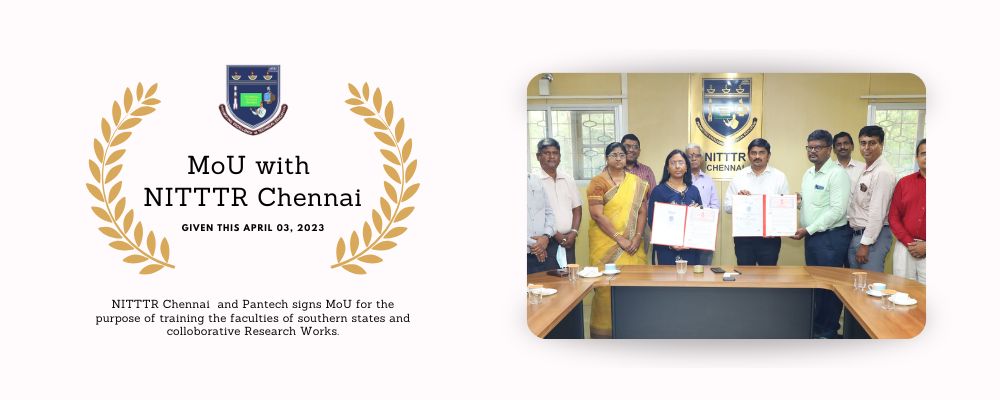
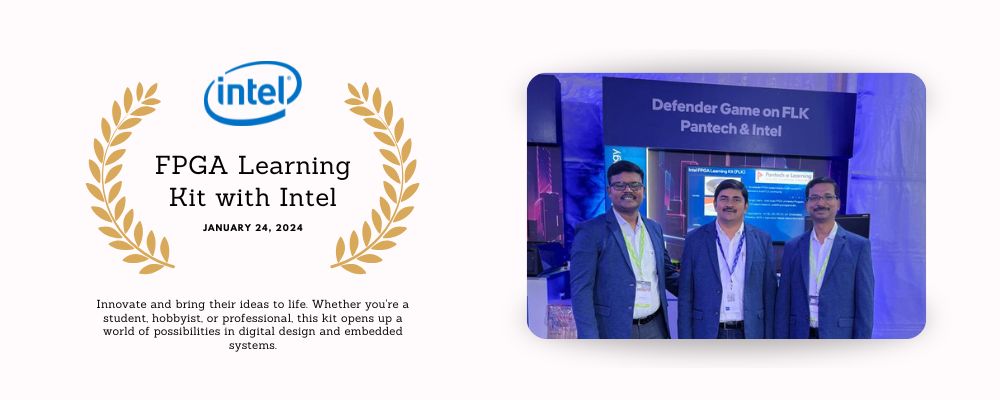
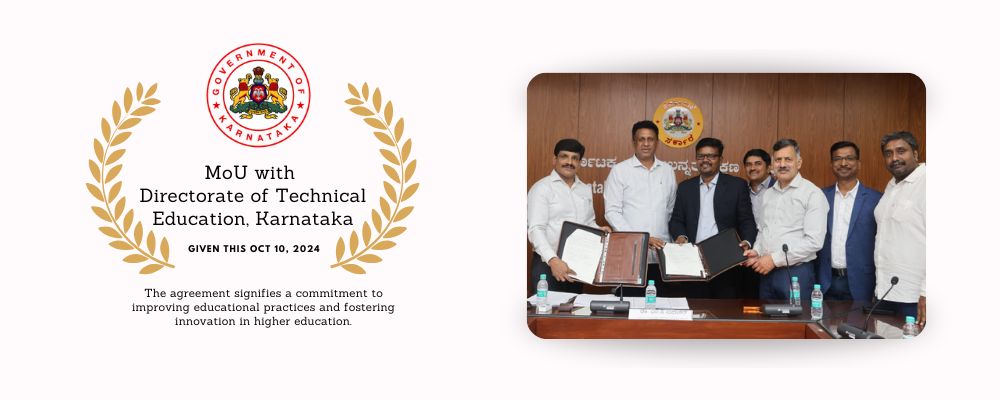
We are Accredited by
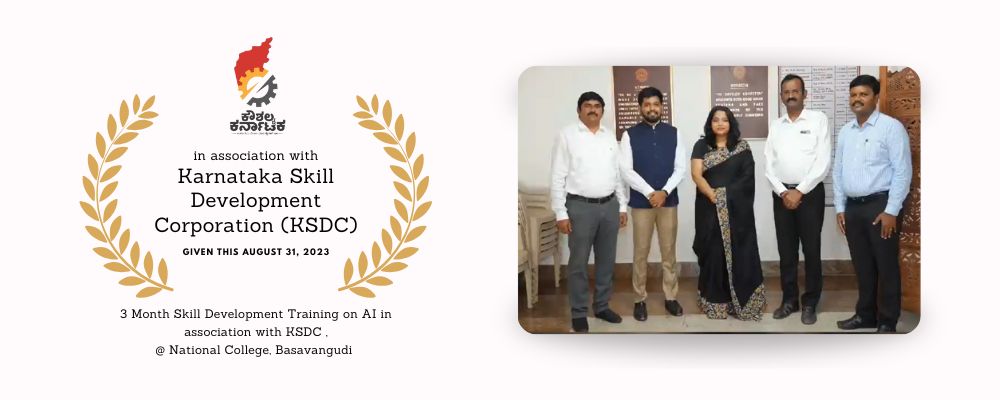
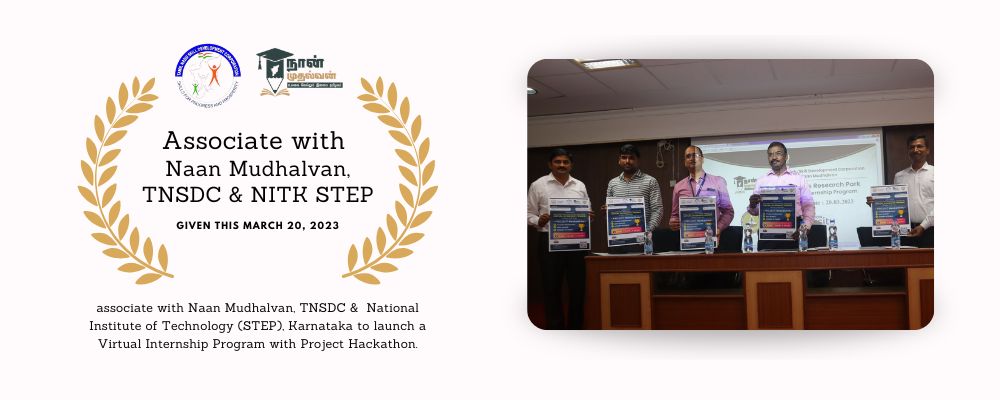
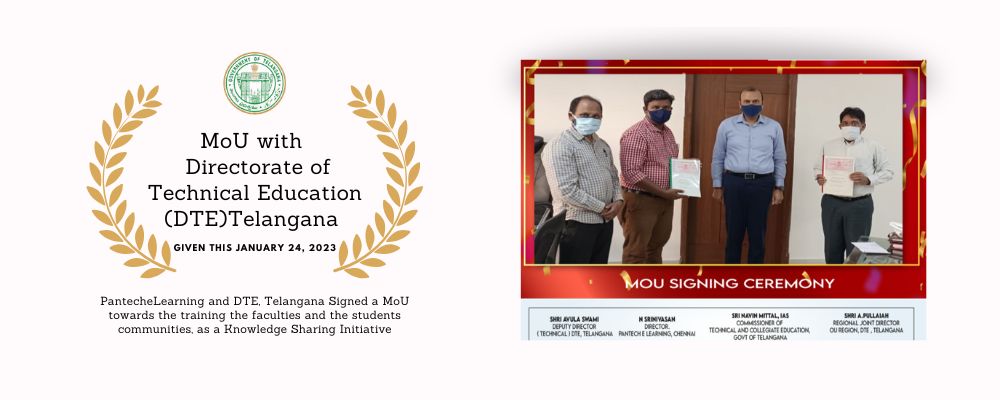
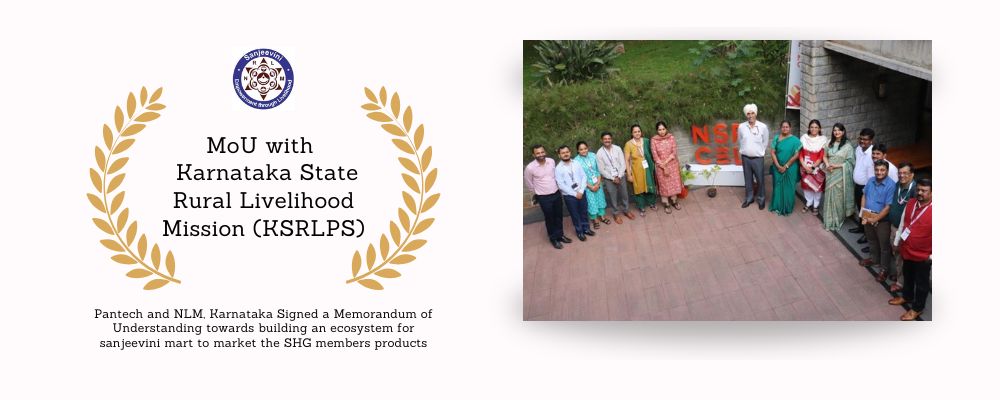

What Our Students Say
See how Pantech courses accelerated career transitions across India.
Student Pantech
VERIFIED LEARNERGet exclusive lifetime access to coursework, simulators, custom templates, and direct placement opportunities.
Need immediate counseling?
+91 8925533488/89
Frequently Asked Questions
Find instant answers to all common questions about our technical certificate courses.
Electrical, electronics, renewable energy, and EV engineering students, professionals, and researchers interested in sustainable energy systems.
Basic knowledge of electrical engineering concepts is recommended, although the course begins with foundational topics in solar PV systems.
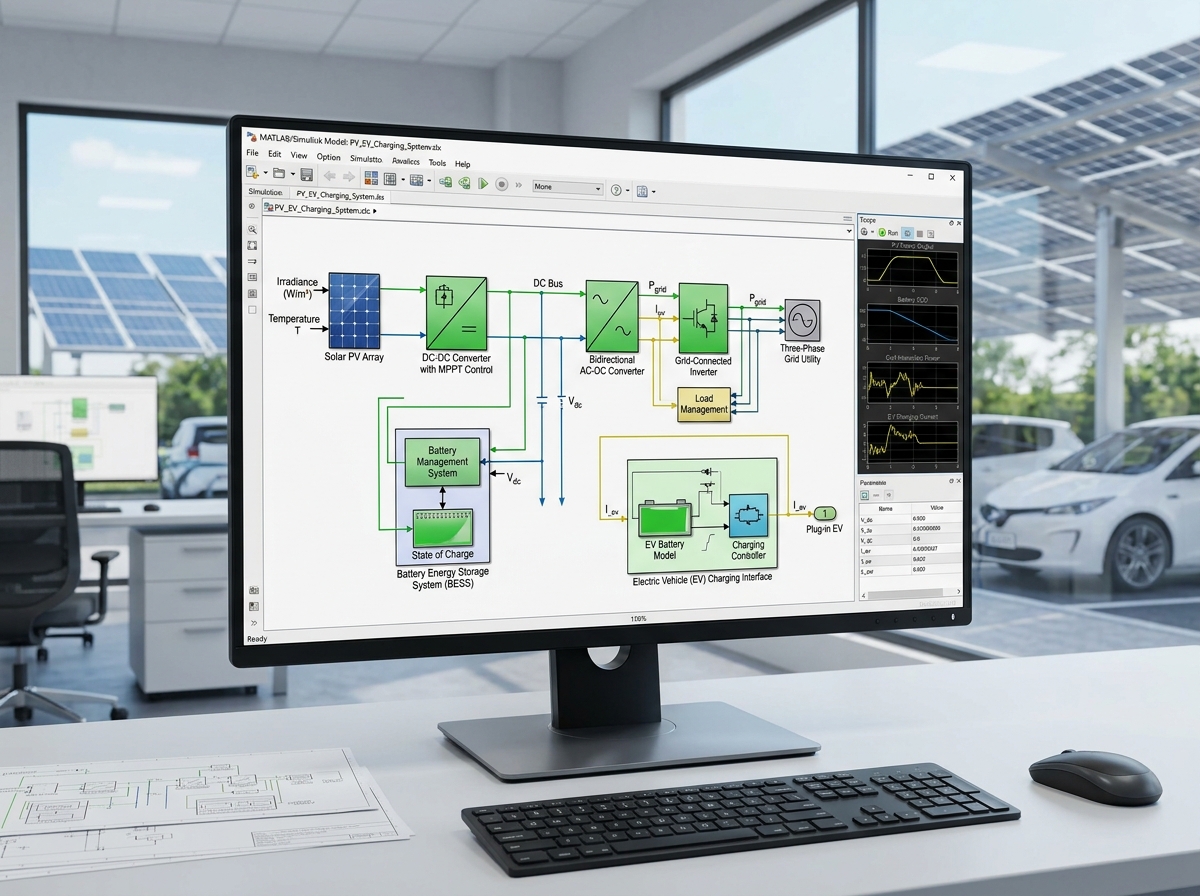
Yes. The curriculum incorporates MATLAB-Simulink modeling, renewable energy system design exercises, business case studies, and practical engineering concepts.
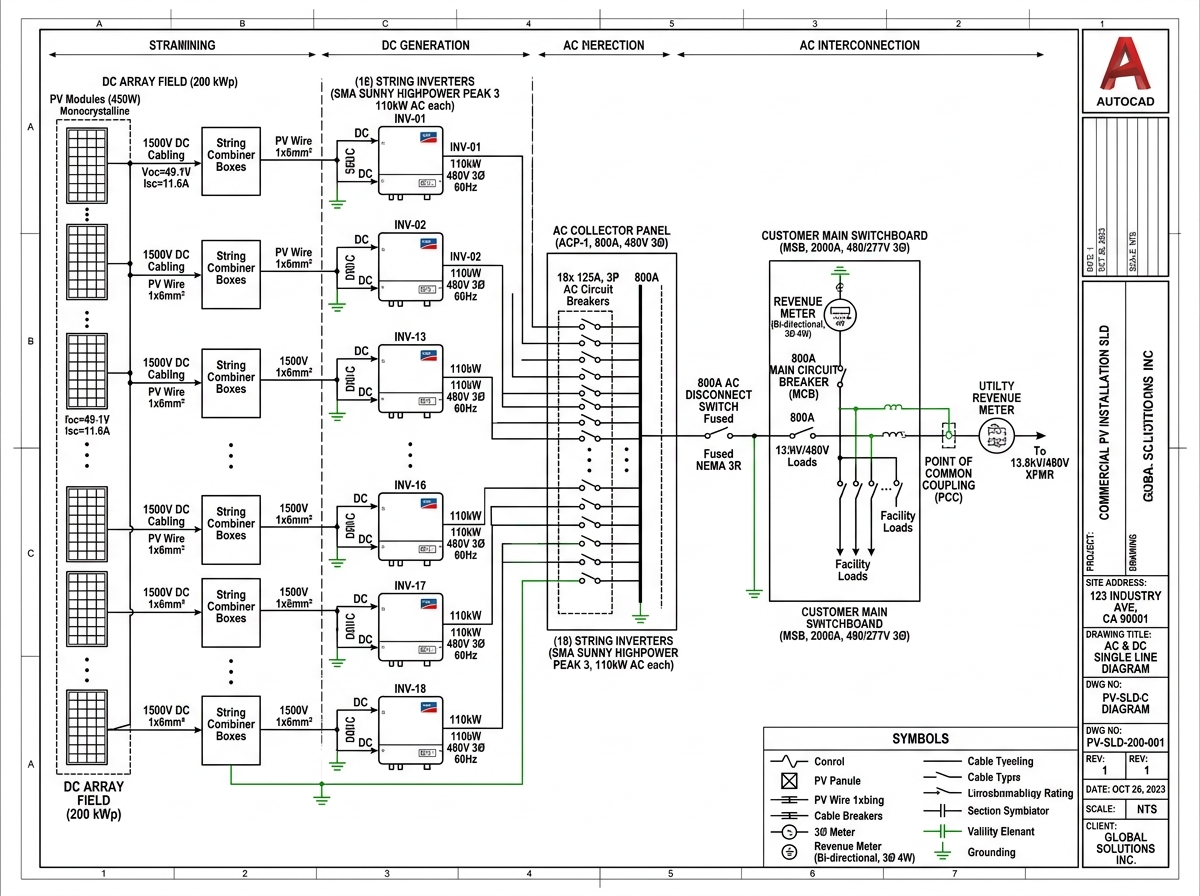
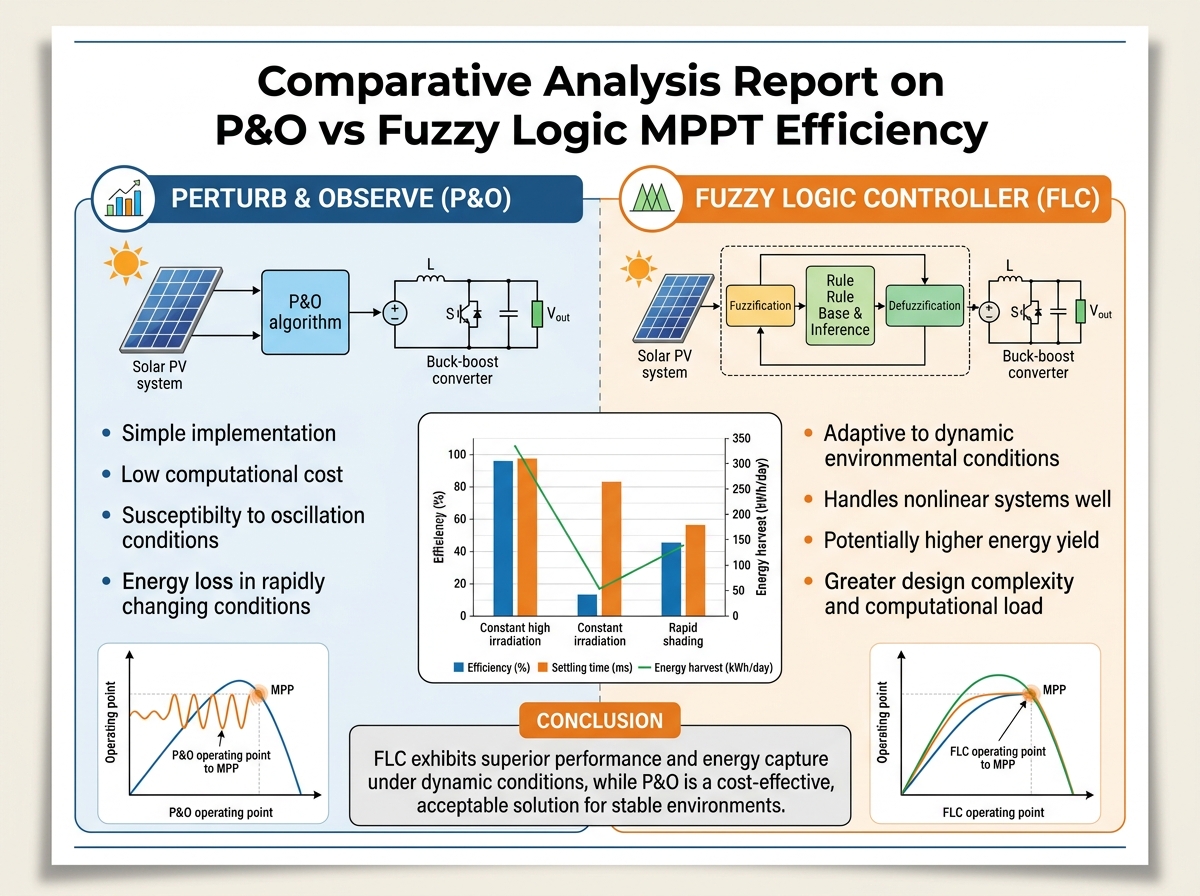
The course covers solar PV systems, power electronics, MPPT algorithms, inverter design, wind energy systems, Arduino integration, MATLAB-Simulink, CAD-based PV engineering, and EV-powered renewable energy applications.
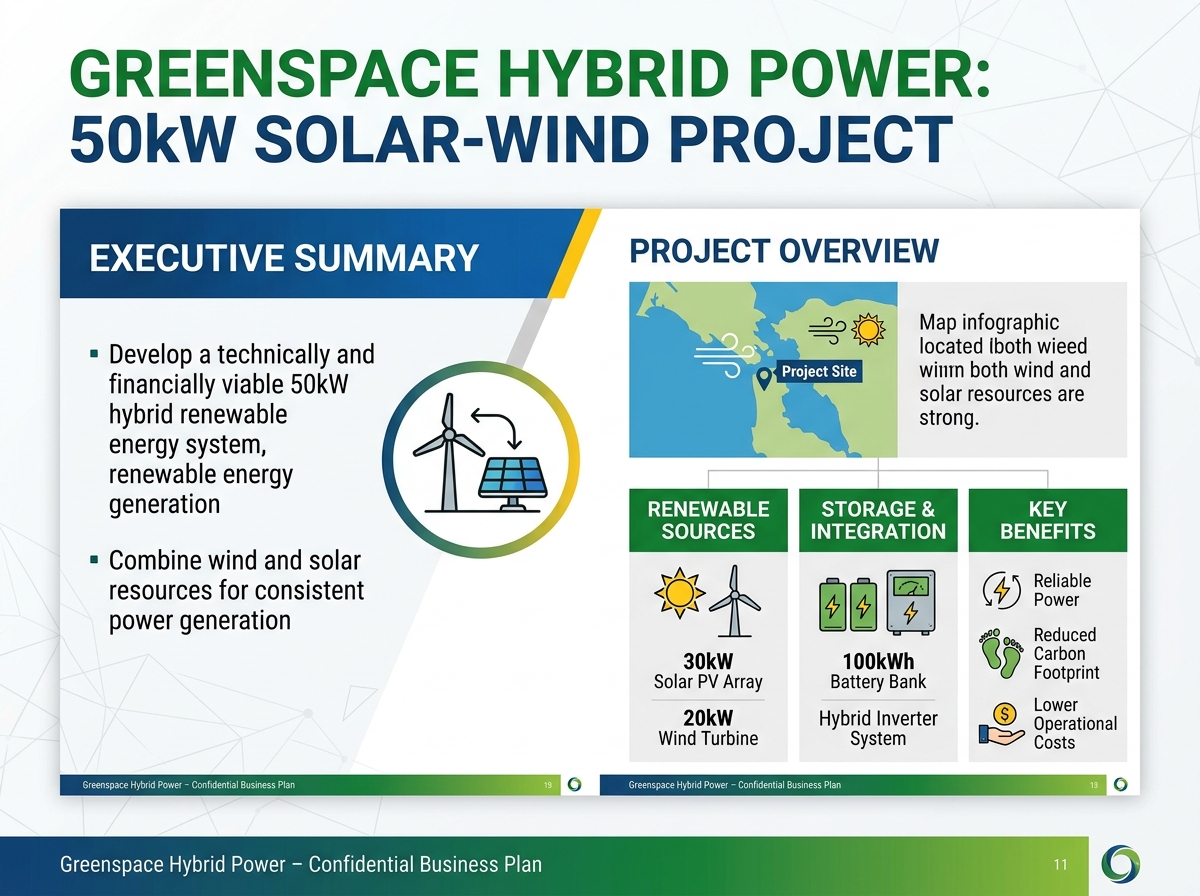
Yes. The course is designed to provide industry-oriented expertise in renewable energy engineering, hybrid power systems, solar EV integration, and sustainable technology development.